Credit Cards For Making Prepaid Wireless Payments
Why am I even discussing credit cards; isn't it obvious?! If you're using prepaid wireless to remain anonymous, to avoid identify theft, or to avoid getting into debt, then using a credit would contradict that objective. If those topics are not, however, part of your goals, then being aware of the value of using a credit card can bring you as a no contract customer is super important. They allow you: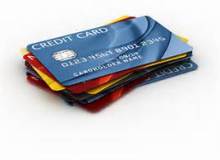
- The convenience of being able to replenish your phone anytime, anywhere, without having to go to a store.
- The benefit of accumulating points (ex. air miles, cash back, etc.).
- To take advantage of any bonuses or benefits that your wireless carrier offers, which has become more common (ex. $5 monthly discount for signing up for automatic monthly payment).
Most wireless providers will accept any of the major cards (ex. Visa, MasterCard, American Express, Discover). They'll sometimes also ask you questions about you that they get from publicly available data (ex. the color of your car, or where you used to live), or specific questions about your address, date of birth, or social security number. Wireless carriers use this data to ensure that you are the rightful owner of the card. They do this to protect the card holder and the company from having fraudulent transactions on the account from stolen cards.
Rest assured that the information you provide is secure. Wireless companies are very highly regulated, and must maintain the security and confidentiality of customer information at all times. The good news is that once you provide your information, you won't have to provide all of your information again unless your card number or address changes. On occasion you may be asked to verify certain information like the last four digits of your card number. Wireless carriers do this to make sure that someone can't just grab your phone and start adding money to your account with the credit card on file. This is actually a somewhat common occurrence when kids or other family members gain access to a phone with credit card information on file.
The only word of caution about this method of direct replenishment is that you don't want to accumulate any additional debt by paying your wireless account with your card by not paying off your full bill every month. This will in
Note: If you don't have a credit card, and for whatever reason either can't get one (ex. poor credit), or don't want one (ex. cost control), a prepaid debit card may be a great option for you. Learn more about the Reloadable Debit Card product now!
A Word About Identity Theft:
Identity theft is when someone gets a hold of your name, address, social security number, and other personal information. They then use that information to basically pretend that they're you, and apply for credit cards, bank accounts, mortgages, card loans, and other accounts in your name. It can often take years before you figure it out. In the meantime, your credit score gets severely impacted, and you may not find out until you try applying for a car loan, mortgage, or new credit card, only to find out that you've been denied due to poor credit.
I have heard about identity theft many times, always thinking that it's horrible, but could never happen to me. Then two people I used to work with told me that they had their identities stolen. And needless to say, it's a huge pain in the butt, not to mention expensive. So even though it hasn't happened to me yet (knock on wood!), I have my credit locked just for peace of mind. LifeLock.
Home
›
Adding Money
›
Credit Cards
| Be Heard! Let prepaid wireless providers know what you want; fill out the survey now. |



Copyright 2008-2023 Prepaid-Wireless-Guide.com - All Rights Reserved
Click to read the Privacy Policy
Comments
Have your say about what you just read! Leave a comment in the box below.