Reloadable Debit Card - Check Out The Benefits!
What is a reloadable debit card? In a nutshell, it's like a credit card with no credit line, and like a debit card without a bank account. Hmm...you might be asking yourself: So what exactly does that mean?! The information here will provide you with all of the answers so that you can understand the benefits that prepaid debit cards have to offer, and determine whether it's something that
may meet your financial needs.
whether it's something that
may meet your financial needs.A reloadable debit card comes in different flavors, namely Prepaid Visa debit cards and Prepaid MasterCard debit cards. They look and act exactly like flagged Debit Cards, only rather than being attached to a bank account, you simply reload them with cash. It's actually like having a virtual bank account.
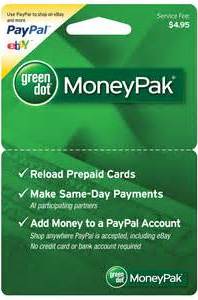
Very much like replenishing your prepaid wireless phone account, you can buy special reload cards, and even use direct deposit if you have a bank account. Note that unlike prepaid wireless reloads, which often don't have any in-store reload fees (depending on the plan type), a reloadable debit card almost always has an in-store transaction fee, usually ranging from $2.95 to $4.95 per reload. The only way around such fees is typically to use direct payroll deposit that you can setup with your employer, or transferring money from a bank account. The good news is, however, that you can usually add anywhere from $20 to $400 at any one time (or more), so the more you add per transaction, the lower your per dollar reload cost.
Some of the benefits of a reloadable debit card includes:
- They're accepted worldwide wherever Visa or MasterCard are accepted.
- You'll never have bank overdraft fees because transactions are declined if you have insufficient funds.
- You can track all of your transactions online (and usually via a smartphone app), which is good for seeing how all of those little purchases add up, or to help your children learn where they're spending their money.
- No credit check is required (although identification such as a Driver's License and/or Social Security Number are required to verify identity - this is part of the Patriot Act requirements).
- If you don't have a credit card, you can take advantage of all of the services available online that require credit cards!
- It's safer than carrying cash.
- Helps to control costs by allowing you to spend only up to the amount you add if you can choose to add a certain amount each month to control your monthly costs.
- Can distribute money to your kids (ex. money for school expenses or an allowance), and track expenditures online.
- Is FDIC insured, including zero liability protection against fraudulent use. In other words, if you lose your card, you can report it stolen and get a new card issued.
- You can reload your card with cash at tens of thousands of locations nationwide (actual number of locations will vary depending on the type of card you have).
- You can withdraw cash at millions of ATMs worldwide (though usually an ATM fee applies).
 Things to look for when
selecting a reloadable debit card:
Things to look for when
selecting a reloadable debit card:- Transaction vs. monthly fees - Some cards will not have a monthly recurring fee, but will charge you per transaction, while others will have a monthly fee, but include unlimited transactions. Depending on your purchase habits, you may have a preference for one versus the other. I personally like to have a monthly fee (as low as I can find) so I don't have to worry about racking up transactions fees, and using the card feels less stressful when you don't have to think about the extra cost and whether it's really worth it. There are some free reloadable debit card options out there now as well that are worth seeking out.
- Number and type of reload locations - You'll want reloading to be convenient. So check out whether you can reload at places where you already shop. For example, can you buy reload packs at your grocery store? Convenience store? Pharmacy? Gas station? Walmart? Target? Etc.
- Other fees - Take a look at the fee schedule to see where you'll incur additional charges. Many won't affect you at all, while others will be important to you. For example, I rarely have the need to withdraw cash from an ATM, so I wouldn't care about what that fee is. But I do like to transfer money from my bank account, so one that has minimal or no fees for bank transfers would be ideal for me.
- Benefits - Some cards will offer points or rewards. Many prepaid wireless carriers offer bonuses for using a credit card to replenish your phone (ex. Cricket & Virgin offer a $5 monthly discount for enrolling in auto pay); prepaid debit cards count! Other programs will offer rewards on the card itself.
Home
›
Adding Money
›
Reloadable Debit Card
| Be Heard! Let prepaid wireless providers know what you want; fill out the survey now. |



Copyright 2008-2023 Prepaid-Wireless-Guide.com - All Rights Reserved
Click to read the Privacy Policy
Comments
Have your say about what you just read! Leave a comment in the box below.