Using Debit Cards To Pay For Prepaid Service!
Debit cards are an interesting topic because they have evolved so much over the years, and have long since behaved more and more like credit cards. Surprisingly, or at least interestingly, the average person is not aware of the different flavors of these cards. There are essentially two types:- PIN-Based Cards
- This is the classic (now legacy) ATM card that your bank issues to you when you get a bank account. Whenever you use it in a store, the terminal will prompt you to enter your PIN (Personal Identification Number). You'll typically see logos on the back to indicate on what networks the cards are compatible (ex. STAR, NYCE, PULSE, etc.) If you don't remember it, you're basically out of luck. Note, however, that this type of card is actually quite rare these days in favor of banks issuing the following Flagged card.
- Flagged Cards
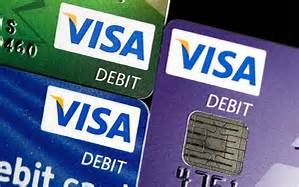
- Look at the front, bottom right-hand side of your card. Does it have a Visa or MasterCard logo (a.k.a. flag) on it? If so, this is what the industry refers to as a "flagged" card. What does this mean? It means that when you swipe your card in a store, you can either:
- Select "debit" and it will prompt you for your PIN, and essentially act exactly like the ATM PIN-based cards described above.
- Select "credit" and you will not be prompted for your PIN, but rather you'll be asked to sign the receipt as you would for a credit card. These are referred to as "signature debit" transactions.
On the other hand, when you use your card card directly with your wireless carrier, the experience doesn't noticeable change. The reason why I say that it's not noticeable, is that there are actually different regulations that companies must follow depending on whether you're using credit or debit. Many companies these days will only accept flagged cards. The reason why is that these cards can be treated in exactly the same way as credit cards. In fact, if you tell them it's a credit card, they'll never know the difference (of course, your card will have to be the flagged type of card for it to actually work as a credit card).
If your wireless carrier does have an option for legacy debit card, and you select that option, your experience will vary slightly from the credit card process due to these regulations. Chances are, though, that unless you study the two processes carefully, you'll never notice. Note, also, that as companies are eliminating the acceptance of physical checks, they are encouraging the use of debit; they'd rather have you use a classic ATM debit card than a check!
One good tip to take away here is to note that if your wireless carrier does not say that they accept debit cards, don't worry. If you have one of these flagged cards, just pretend as though it's a credit card and you'll be on your way with no problems!
One of the great benefits of using your debit card is that you don't have to worry about getting a bill like you would when using a credit card. So the risk of not paying your bill and negatively affecting your credit is not there. HOWEVER, if you don't manage your funds effectively, a debit card transaction can result in Non-Sufficient Funds (NSF), which can get you into trouble with your wireless provider, and cost you NSF fees ($25-$35) from your bank!
Don't have a bank account and so no access to debit? A prepaid debit card may be a great option for you. Learn more about Reloadable Debit Card benefits now!
Home
›
Adding Money
›
Debit Cards
| Be Heard! Let prepaid wireless providers know what you want; fill out the survey now. |



Copyright 2008-2023 Prepaid-Wireless-Guide.com - All Rights Reserved
Click to read the Privacy Policy
Comments
Have your say about what you just read! Leave a comment in the box below.